Research
My research focuses on understanding how genetic variation influences gene expression and splicing in the human brain. I develop computational methods and large-scale genomic resources to study transcriptional regulation across ancestries, cell types, and neurological disease contexts, with a particular interest in Alzheimer’s disease and neurodegeneration.
Selected projects and publications
|
BigBrain: Decoding the trans-regulatory architecture of expression and splicing in the human brain |
Kailash BP, Aline Réal, Winston H. Cuddleston, Benjamin Z. Muller, Beomjin Jang, Jack Humphrey, David A. Knowles, Towfique Raj
Publications: medRxiv cis-sQTL, 2025; medRxiv cis-edQTL, 2025
Presented at ASHG 2023, JAX Long-Read Sequencing Workshop 2024, Genome Informatics 2024, AD-GRC 2025, ASHG 2025, and Biology of Genomes 2026.
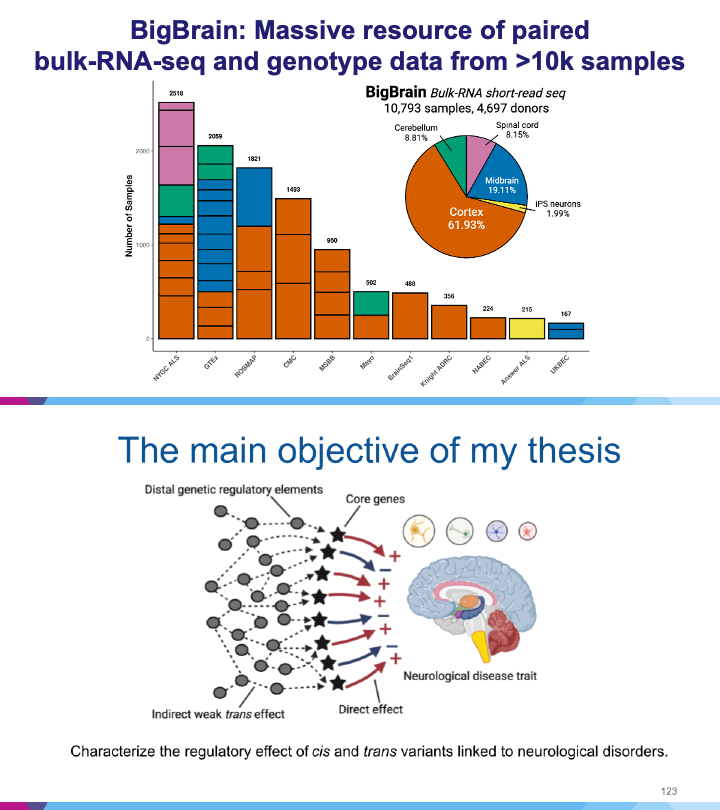
BigBrain is a harmonized transcriptomic and genetic resource comprising 10,725 RNA-seq samples from 4,656 individuals across 12 brain cohorts. The resource enables large-scale discovery of trans-eQTLs and trans-sQTLs across ancestries, brain regions, and neurological disease contexts. By increasing statistical power for distal regulatory mapping, BigBrain provides a foundation for understanding the trans-regulatory architecture of the human brain and its relationship to neurological disease risk.
|
InterTissueDC: Multi-tissue differential correlation analysis of Alzheimer's disease |
Sanga Mitra, Kailash BP (co-first), Naga Venkata Sai Kumar, Srivatsan C. R., Philge Philip, Manikandan Narayanan.
Links: GitHub
Publication: npj Systems Biology and Applications, 2023
Presented at BESCON 2019 and Cold Spring Harbor Laboratory (CSHL) Development and 3D Modeling of the Human Brain 2019.
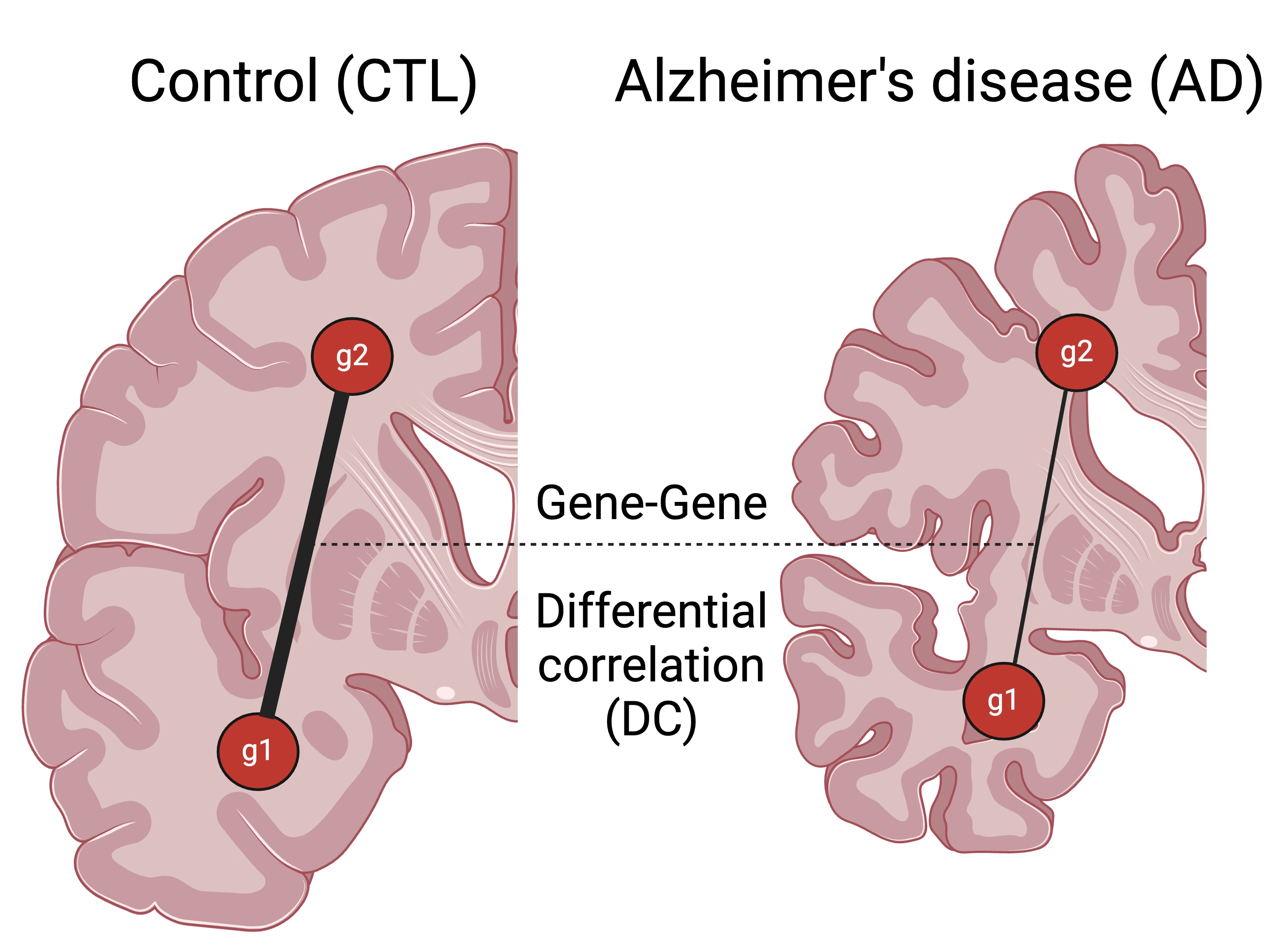
This project investigated how gene co-expression networks are rewired across multiple brain regions in Alzheimer’s disease. We developed a statistical framework to infer inter-tissue gene-gene interaction networks and quantify differences between healthy and diseased individuals. Applying this framework to postmortem brain transcriptomic data revealed disease-associated alterations in coordinated gene regulation across the frontal pole, superior temporal gyrus, parahippocampal gyrus, and inferior frontal gyrus. The work also explored the influence of cell-type composition on observed network changes using established cell-type marker genes.
|
iGEM interlab measurement variabilities |
Jacob Beal, Natalie G. Farny, Traci Haddock-Angelli, …, iGEM InterLab Study Contributor
Links: Project
Publications: Communications Biology, 2020; PLOS One, 2021
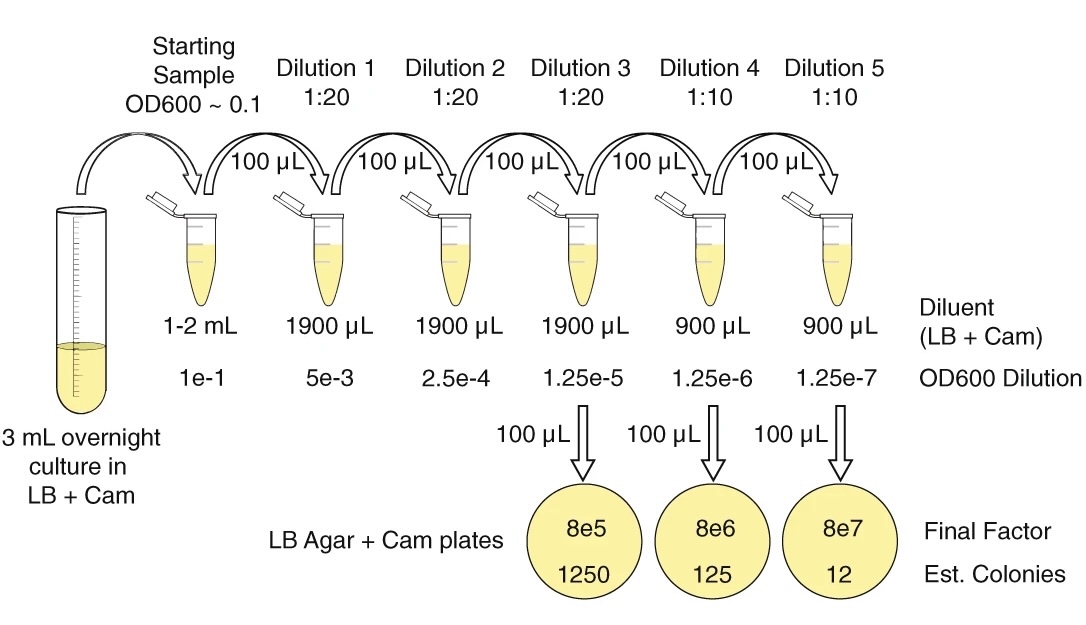
The iGEM InterLab Study is a series of projects (2014 and 2015 study, 2016 study, 2018 study) organized by the iGEM competition, focused on addressing the problems frequenting a lack of reproducibility in science. As part of the 2018 study, we investigated whether fluorescence measurements could be standardized by normalizing measurements to absolute cell counts rather than optical density alone. The study analyzed data from hundreds of laboratories worldwide and provided recommendations for improving the reliability and comparability of bacterial growth measurements.

|
ChassiDex: A Microbial Database for Synthetic Biology |
Kailash BP, Karthik D., Mousami Shinde, Nikhita Damaraju, Anantha Barathi Muthukrishnan, Shashi Bala Prasad, Guhan Jayaraman
Links: Website · GitHub · Project
Publication: bioRxiv, 2019
ChassiDex is an open-source database designed to support researchers working with non-model microbial organisms in synthetic biology. The platform aggregates information on growth conditions, protocols, vectors, genetic tools, and other experimental resources that are often difficult to locate for unconventional host organisms.